Why Most Metal Roof Problems Are a Repair, Not a Replacement
Metal roofs fail in specific, fixable ways more often than people expect.
September 22, 2026 · 3 min read
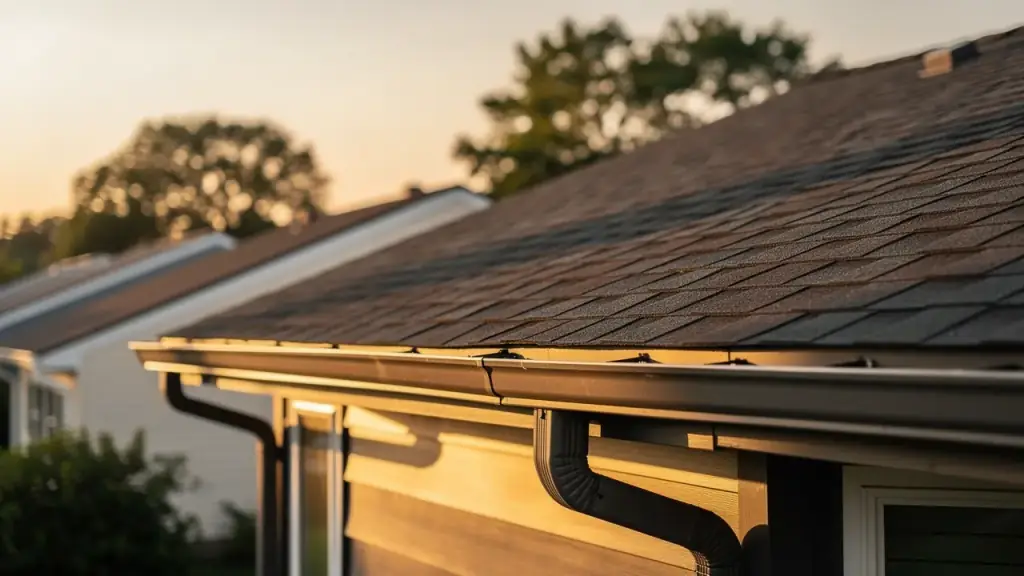
Metal roofs have a reputation for lasting decades, and that reputation is mostly earned. But decades is a long time, and metal roofs do develop problems along the way. The good news is that most of what goes wrong with a metal roof is a repair, not a reason to tear the whole thing off.
Fastener backout is the most common one
Exposed fastener metal panels are held down with screws that have a rubber washer under the head to seal the hole. Over years of the metal expanding and contracting with heat, those screws work themselves slightly loose, and the rubber washer compresses and eventually cracks. Water finds its way in through that gap long before the screw actually falls out. It usually shows up as a faint rust streak running down the panel below a line of screws. Re-fastening and re-washing that line of screws is often the entire fix.
The washers fail before the metal does
The rubber or neoprene washer under each screw head degrades under UV exposure faster than the panel itself corrodes. That's worth knowing because it means a metal roof showing this kind of leak often has plenty of life left in the actual panels. The washers are a wear item, not a structural one.
Seam separation on standing seam roofs
Standing seam panels rely on a folded seam, rather than exposed screws, to stay weathertight, and that seam is designed to let the panel move slightly as it heats and cools without pulling the roof apart. When a clip holding the panel to the deck fails, or the panel has moved more than it was designed to, the seam can start to open, usually at the ends of a panel run first. It's a specific, identifiable failure, and it's addressed at the seam itself rather than by replacing panels that are otherwise sound.
Oil-canning usually isn't a leak
A wavy, rippled look across a flat section of panel is called oil-canning, and it's often a cosmetic issue tied to how the metal was rolled or installed rather than a sign the roof is failing. It's still worth having checked, especially if it's new or getting more pronounced, since in some cases it points to a fastening or substrate problem underneath. But a rippled panel on its own doesn't mean water is getting in.
Corrosion shows up at cut edges first
Any place a panel was cut on site to fit a valley, a penetration or the edge of the roof exposes bare metal along that cut line, even on a factory coated panel. That exposed edge is where corrosion typically starts, well before the coated field of the panel shows any sign of rust. It's worth a close look anywhere panels meet flashing, valleys or roof penetrations, since that's exactly where cut edges tend to be. A small amount of surface rust at a cut edge caught early is a straightforward repair. Left alone for a few seasons, it can work its way under the coating on either side of the cut, which turns a small fix into a bigger one.
When coating is honest, and when it's postponing the inevitable
Coating a metal roof can be a legitimate, honest piece of maintenance on a structurally sound roof where corrosion is still surface level. It's a different story if it's being used to paper over active leaks, seams that have already separated or corrosion that's gone past the surface. Coating over a problem like that buys a little time and hides how far along it actually is, it doesn't fix it. Part of doing this job right is being straight with a homeowner about which situation theirs is, and saying so plainly rather than quoting a coating job on a roof that actually needs repair work done first.
What Satterfield does on metal roofs
Metal roof repairs, full replacements, tear offs, coating and repainting are all part of the work, backed by the same 5 year labor warranty as the shingle side of the business, and covered by the same insurance coordination on wind, hail and tree damage. If a storm bent a panel or knocked something loose, that's exactly the kind of claim Satterfield works directly with insurance companies on. Call 770-860-9388 or email bryan@satterfieldroofing.com, appointment only, no money down.
Satterfield Roofing, 770-860-9388
Call 770-860-9388More articles
What a Failing Shingle Roof Looks Like Before It Leaks
Most roof failures give warning for months. Here's what to look for from the ground and from the attic.
After a Storm Hits Your Roof: What to Do First
What you do in the first day after a storm affects both the repair and the insurance claim that follows.