What a Failing Shingle Roof Looks Like Before It Leaks
Most roof failures give warning for months. Here's what to look for from the ground and from the attic.
September 22, 2026 · 4 min read
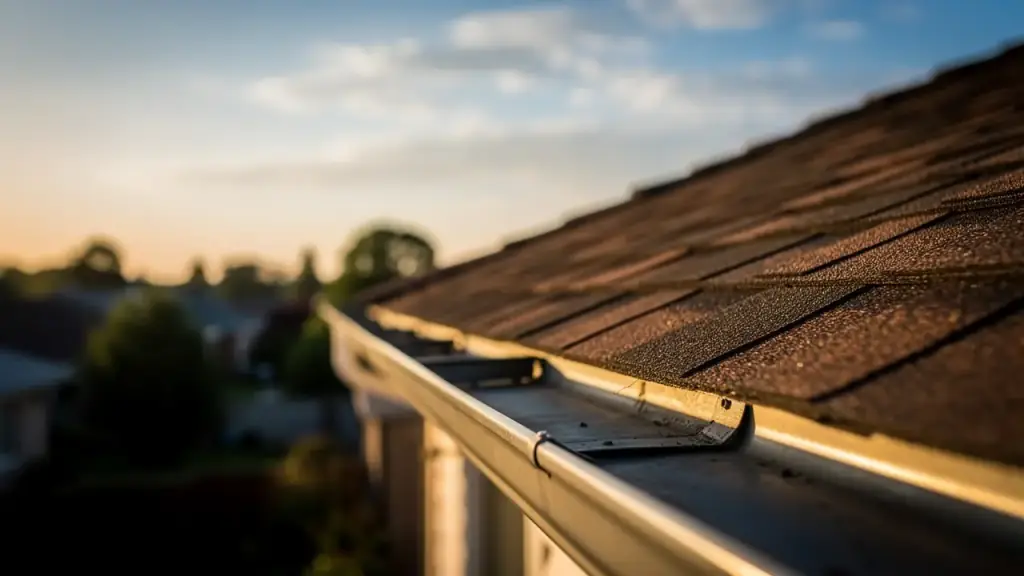
By the time water shows up on a ceiling, the roof has usually been failing for a while already. Shingle roofs give warning signs long before that, if you know where to look. Some of them you can spot from the driveway. Some only show up if you climb into the attic with a flashlight.
What you can see from the ground
Walk around the house and look up at the whole roof plane, not just the front elevation from the street. Curling or cupping shingles are one of the clearest signs of age: the edges lift and the shingle stops lying flat, which gives wind something to get under. Nail pops look like small bumps pushing up through a shingle course, usually where a nail has backed out slowly over years of expansion and contraction. Check the ridge, the peak line running along the top of the roof. Ridge cap shingles take more sun and more wind than any other part of the roof, and they're often the first thing to crack or lift.
- Curling or cupped shingle edges, especially on south and west facing slopes
- Bald patches where granules have worn off, exposing the dark asphalt mat underneath
- Small bumps or ridges running through a row of shingles (nail pops)
- Cracked, lifted or missing ridge cap shingles along the peak
- Dark streaking near valleys and flashing that isn't just algae
Check the gutters
Granule loss doesn't always show up on the roof itself first. It shows up in the gutters and at the base of downspouts, where the coarse grit collects after a hard rain. A little granule loss is normal on a roof that's a few years old. A steady buildup, cleaning after cleaning, usually means the shingles have moved past ordinary aging and are actually breaking down.
What the attic tells you
The attic is where a lot of roof problems show up early, because the sheathing and rafters react to moisture before it ever reaches your ceiling drywall. On a dry, sunny day, go up with a flashlight and look for daylight coming through the roof deck around a nail head or at a valley. That's a gap, not just a shadow. Look for staining on the rafters or the underside of the sheathing: brown or black streaks that follow a board's grain usually mean water has been tracking along it for a while. Damp or matted insulation directly under a stain is a strong sign the leak is active, not old history. A musty smell in the attic on a still day is worth investigating even if you can't spot anything obvious with the flashlight.
Flashing fails before shingles usually do
A lot of leaks get blamed on the shingles when the real weak point is the flashing around them. Flashing is the metal, and sometimes rubber, that seals a roof at the places a flat shingle plane can't cover on its own: chimneys, skylights, valleys where two roof planes meet, and anywhere a pipe or vent comes through the deck. Chimney flashing is usually two pieces working together, a base flashing and a counter flashing set into the mortar joint above it. If that mortar joint opens up, water gets behind the flashing instead of running over it. Skylight flashing is built into the skylight's own frame kit and tends to fail at the seams, or where the sealant around it has dried out and cracked. A roof can have shingles in decent shape and still leak steadily at one of these spots.
Georgia weather works against all of it
Metro Atlanta and the counties around Social Circle put a shingle roof through real extremes: hot, humid summers that soften asphalt and speed up UV breakdown, followed by cold snaps that make the same shingles brittle. Add in the occasional hailstorm or straight line wind event, and a roof out here ages faster than the same shingle would in a milder climate. None of that means every roof needs full replacement the moment one of these signs shows up. It means the list above is worth checking a couple of times a year, not just after a bad storm.
If you're not sure what you're looking at
Some of this is easy to spot from the ground. Some of it, especially flashing condition and attic staining, reads better with an experienced eye on it. Satterfield Roofing has been doing this kind of work in Social Circle and the surrounding counties since 1992, on shingle and metal roofs both, and works appointment only so a visit gets scheduled around you rather than a drop in. Call 770-860-9388 or email bryan@satterfieldroofing.com to get a roof looked at before a small problem turns into a ceiling stain.
Satterfield Roofing, 770-860-9388
Call 770-860-9388More articles
After a Storm Hits Your Roof: What to Do First
What you do in the first day after a storm affects both the repair and the insurance claim that follows.
Repair, Reroof or Full Replace? How the Decision Actually Gets Made
A sound roof decision starts with what's under the shingles, not with a sales pitch.